Introduction
A clear parts enquiry saves time by defining the item before the commercial discussion begins. This guide explains how to organise part references, engine information, photographs and order requirements for industrial or marine diesel‑engine parts.
Start With The Installed Equipment
A replacement‑parts enquiry is most useful when it begins with the equipment already in service. The full engine designation, its serial number where available, and the machine or vessel model give a buyer a stronger starting point than a short engine‑family name. Record these details before dismantled components become separated from their labels. Photographs of the identification plate can preserve suffixes and other characters that are easy to miss when copying a number by hand.
Use The Complete Reference
Part numbers help distinguish items that may look similar in photographs. Copy the complete reference from the existing component, including suffixes or other identifying marks. If the number in a catalogue differs from the number on the original item, send both to the supplier for comparison. A match should be based on the actual component and application information. Do not assume that a shared engine name or a similar shape makes two products interchangeable.
Photographs That Answer Identification Questions
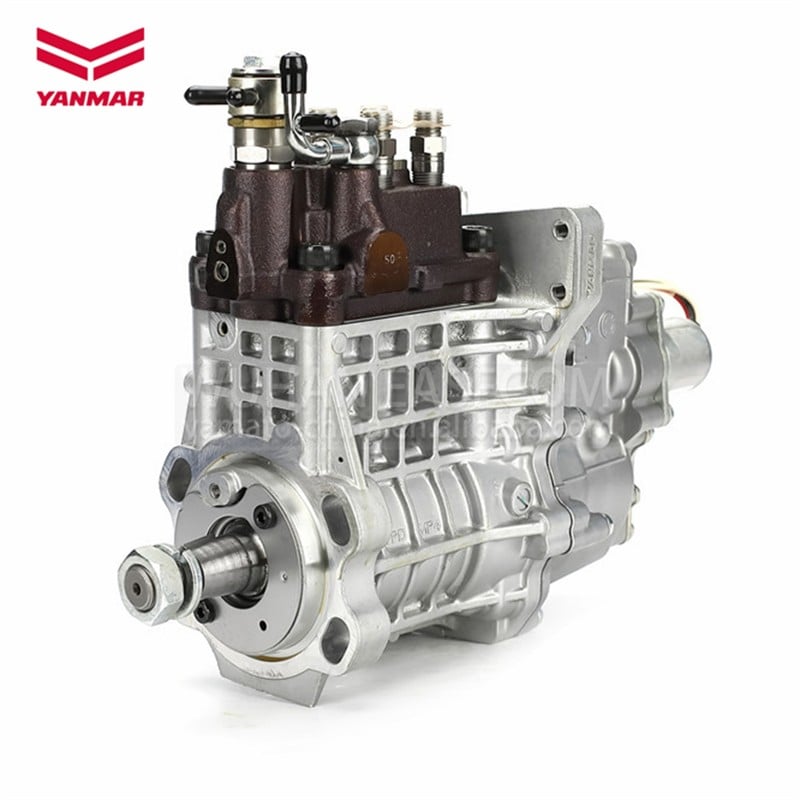
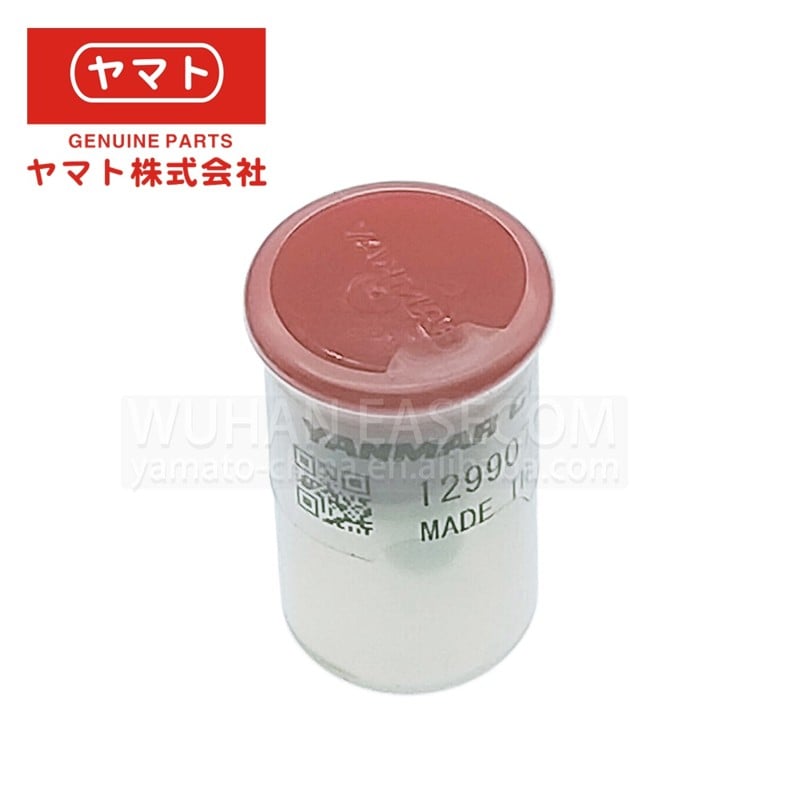
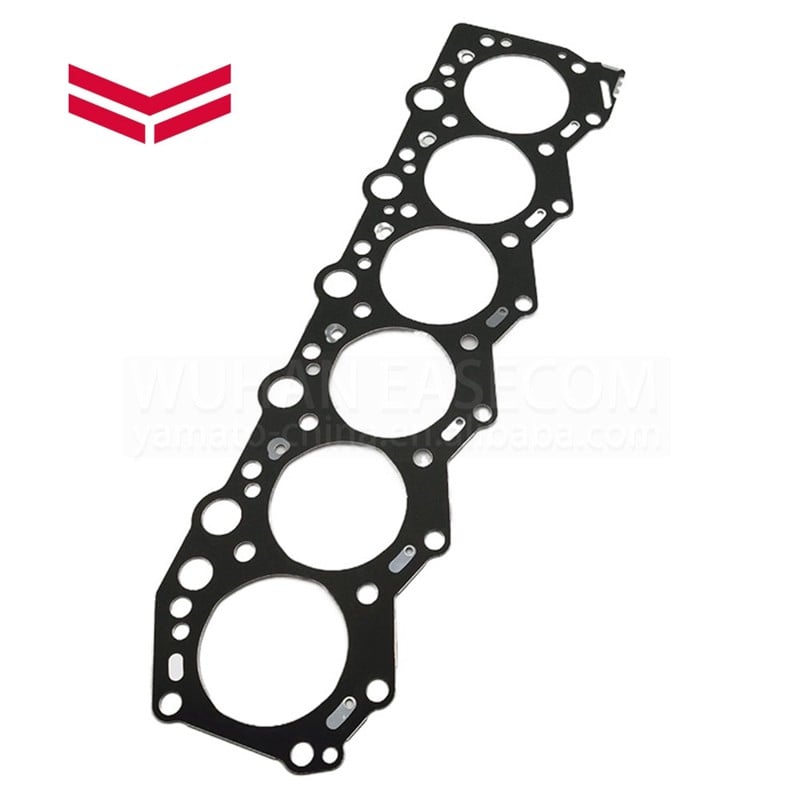
Use photographs that show information rather than only the general appearance of the item. Capture the component label, any stamped or cast reference, the mounting area and the relevant connections. Include an engine‑plate photograph so that the component can be linked to the correct equipment. Keep images clear and avoid covering identification marks with annotations. Where several similar items are being requested, name or number the images consistently with the corresponding enquiry line.
Describe The Repair Scope Without Guessing Specifications
Buyers do not need to invent a missing measurement or decide a component specification from a photograph. Instead, describe the equipment and the part that has been removed, then identify the information that needs comparison. For a kit, describe the intended repair rather than assuming that every related component is included. For an electrical component, retain the existing reference and connector photographs. For precision fuel‑system parts, include the identification of the relevant pump or injector assembly.
Separate Identification From Supply Scope
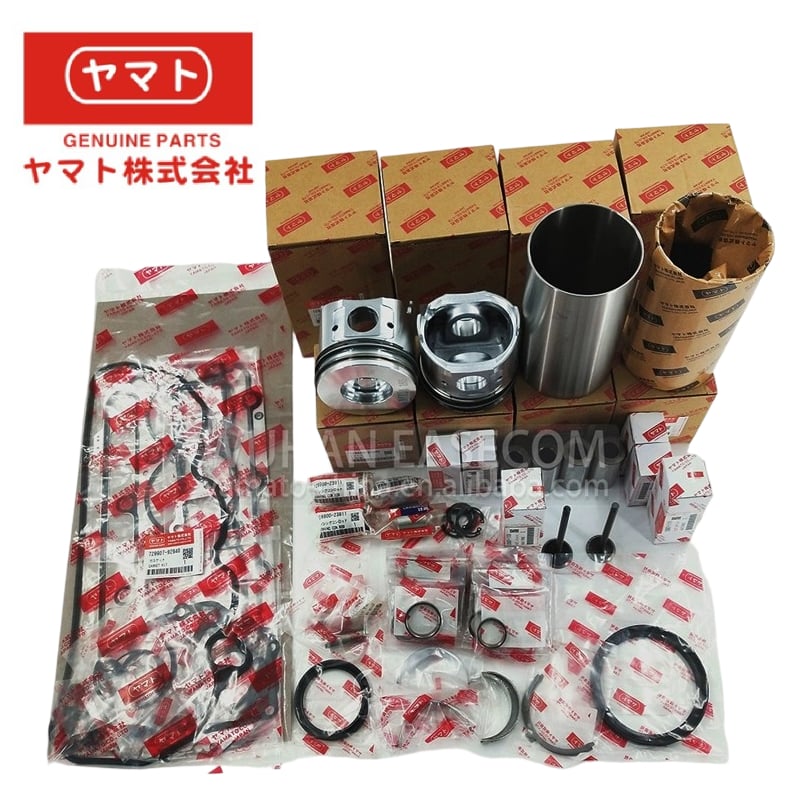
The name of a component does not always explain what is included in the proposed supply. A listing may refer to an individual item, a partial assembly or a kit. Photographs can show several views of the same object and should not be read as a count of the pieces supplied. Ask for the quotation to identify the actual item, quantity and included accessories. For a kit, review an itemized contents list against the intended repair scope.
Build An Enquiry That Can Be Reviewed
A practical enquiry combines the original reference, full engine information, clear photographs, quantity and delivery destination. If more than one component is needed, use a separate line for each reference. Describe whether the requirement is for an individual replacement or part of a broader repair project. Add any required documents to the request. Clear records allow identification questions to be resolved separately from discussions about price, availability, packing or delivery.
A Useful Enquiry Example
An effective message can read: We are requesting a quotation for the part reference shown in the attached photographs. The engine plate and existing component markings are included. Our required quantity and delivery destination are listed below. Please identify the proposed supply, included accessories and current commercial conditions. This wording sets out a purchasing request without claiming a compatibility result that has not yet been established. Add each specific part reference and quantity as a separate item.
Maintain A Repeat‑Order Record
After the item has been identified and ordered, keep the quotation and component information with the equipment maintenance record. This provides a reference for a future enquiry, but it should still be reviewed when the equipment or required specification changes. Prices, availability and delivery arrangements can also change between orders. A repeat purchase is therefore most reliable when the buyer reuses the identification record and reconfirms the present supply and commercial terms.
Review The Quotation Before Ordering
A quotation should describe the proposed item in terms the buyer can compare with the original request. Check the reference, quantity, accessories and agreed conditions rather than relying on a product title alone. Confirm availability and dispatch expectations for the actual order. If the supplier proposes an alternative, review the complete description and the basis for its application. Keep any changes in writing so that the final order record explains what was agreed.
Keep Records Through Receipt And Installation
When the goods arrive, compare labels, visible references and quantities with the accepted order. Check for visible transport damage and retain the packaging until the incoming review is complete. If a difference is found, document it before installation and contact the supplier through the original communication channel. Keep the component identity with the maintenance record. The correct service information and qualified repair personnel should guide installation and any engine‑specific measurements or adjustments.
A Final Check Before Sending
Before sending the enquiry, ask whether another person could identify each requested item from the attached record. Check that the photographs belong to the correct enquiry line, that the quantity is stated clearly and that the destination is included. Keep the message and its attachments together. A clear purchasing record supports the next discussion without adding technical claims that the available information does not establish.
 Hot News
 EN